
Ingredient Spotlight: White Mulberry Leaf Extract
Supporting Carbohydrate metabolism & metabolic wellness
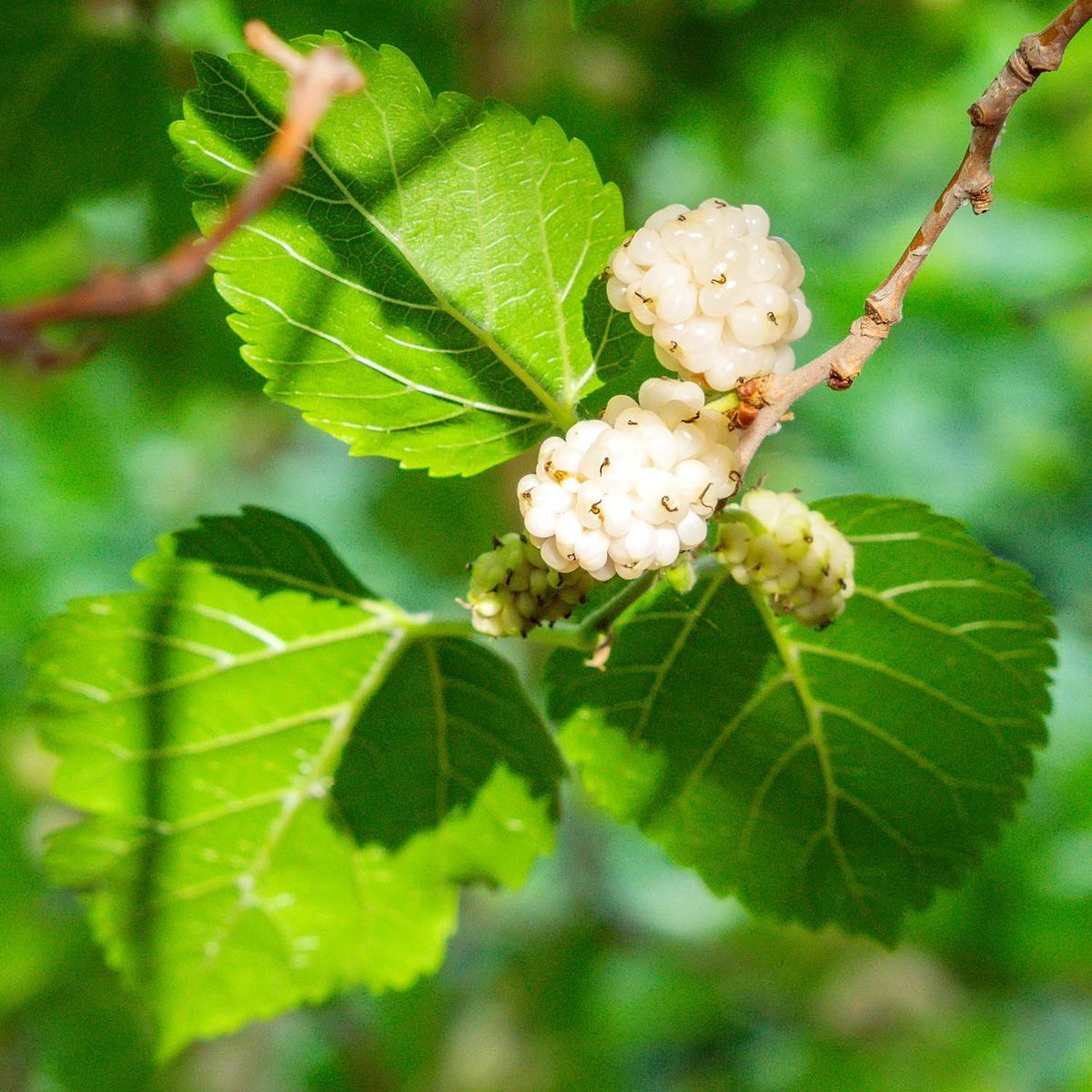
Plant-based support for carbohydrate metabolism and metabolic wellness*
White mulberry leaf extract (Morus alba) is a botanical ingredient with a long history of traditional use in East Asia and growing support from modern nutritional research. It is widely used to help support carbohydrate digestion, post-meal metabolic balance, and weight-management routines as part of a healthy lifestyle.
KEY BENEFITS*
- Supports carbohydrate metabolism
- Helps maintain a balanced post-meal glucose response
- Supports metabolic wellness and healthy energy levels
- Suitable for weight-management formulations
HOW IT WORKS
White mulberry leaf naturally contains bioactive compounds, including iminosugars, that have been studied for their ability to slow the enzymatic breakdown of certain carbohydrates during digestion. This supports a more gradual release of glucose following meals and helps promote post-meal metabolic balance when used as part of a healthy diet.
ABOUT DNJ (1-DEOXYNOJIRIMYCIN)
DNJ (1-deoxynojirimycin) is a naturally occurring compound in white mulberry leaf and one of its key active components, studied for its role in supporting carbohydrate metabolism. Standardized DNJ extracts help slow carbohydrate digestion, supporting a balanced post-meal glucose response and consistent performance in metabolic health formulations.
TRADITION MEETS MODERN SCIENCE
Traditionally used in Asian wellness practices, white mulberry leaf has been valued for supporting balance in the body, particularly in relation to food intake. Today, human studies and scientific reviews suggest its role in supporting postprandial glucose and insulin responses when consumed with carbohydrate-containing meals.
TYPICAL USE
- Taken with meals, especially higher-carbohydrate meals
- Commonly used in capsules, tablets, powders, and functional blends
WHY CHOOSE WHITE MULBERRY LEAF EXTRACT
- Botanical, food-derived ingredient
- Inspired by traditional use
- Supported by human research
- Versatile for metabolic and weight-management formulas*
*These statements have not been evaluated by the Food and Drug Administration. This product is not intended to diagnose, treat, cure, or prevent any disease.
SELECTED REFERENCES
- Mudra, M. et al. (2007). Influence of mulberry leaf extract on postprandial glycaemic and insulinaemic responses to sucrose in healthy subjects. British Journal of Nutrition, 97(3), 539-542.
- Kimura, T. et al. (2007). Effects of 1-deoxynojirimycin from mulberry leaves on glucose absorption and insulin response in humans. Journal of Clinical Biochemistry and Nutrition, 40(3), 201-207.
- Thondre, P.S. et al. (2024). Dose-response effects of mulberry leaf extract on postprandial glucose and insulin responses to a mixed meal. Nutrients, 16(2), 240.
- Li, Y.G. et al. (2011). Hypoglycemic effects of mulberry leaf extracts and their bioactive components. Journal of Agricultural and Food Chemistry, 59(5), 1537-1543.
- Zhang, Y. et al. (2024). Effects of 1-deoxynojirimycin on glucose metabolism: A systematic review and meta-analysis. Frontiers in Nutrition, 11, 1373674.
- Chinese Pharmacopoeia. Morus alba L. (Mulberry Leaf) monograph.